By Indra Shekhar Singh
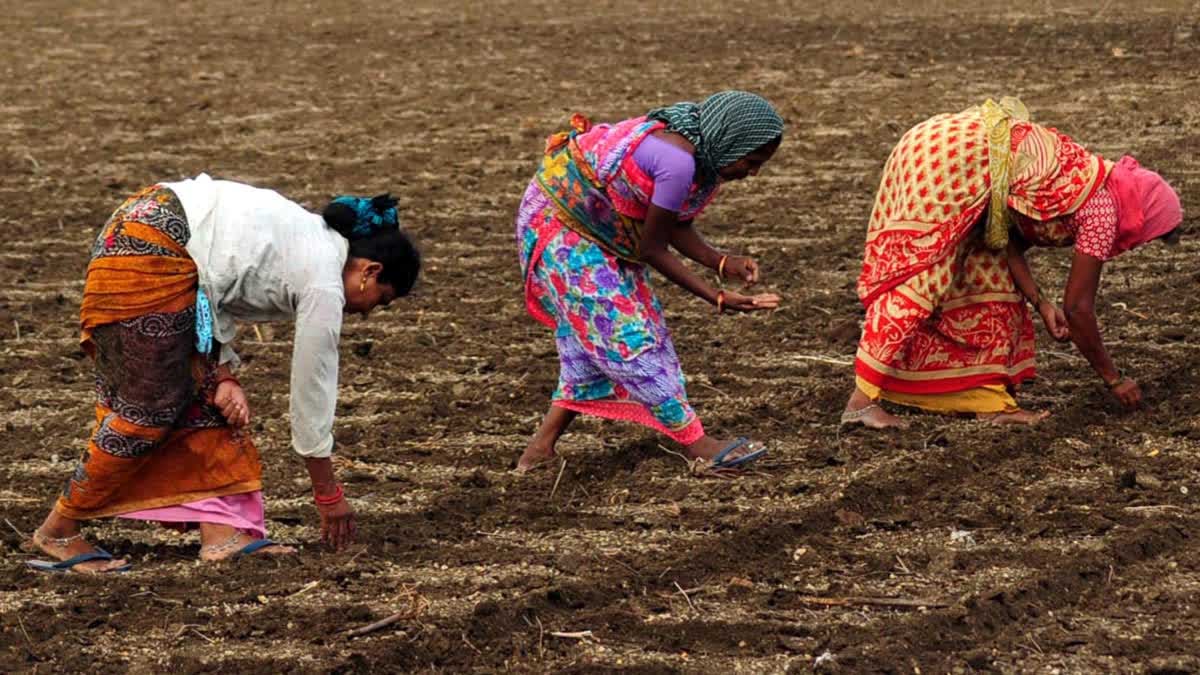
Since the ascendancy of Donald Trump as US president, relations with India have been tumultuous. The reasons are the overbearing pressure of US tariffs on our economy. Trump placed a blanket 50% tariff on all imports from India. While this step is causing a lot of suffering for the Industry and exporters, our agrarian sector and farmers are also beginning to feel the burn.
President Trump has been clear that India needs to purchase more US goods, including oil, defence equipment, etc. But the less talked about aspect of this trade war is the opening of Indian markets for US-based agri commodities and please Trump’s rural electorate.
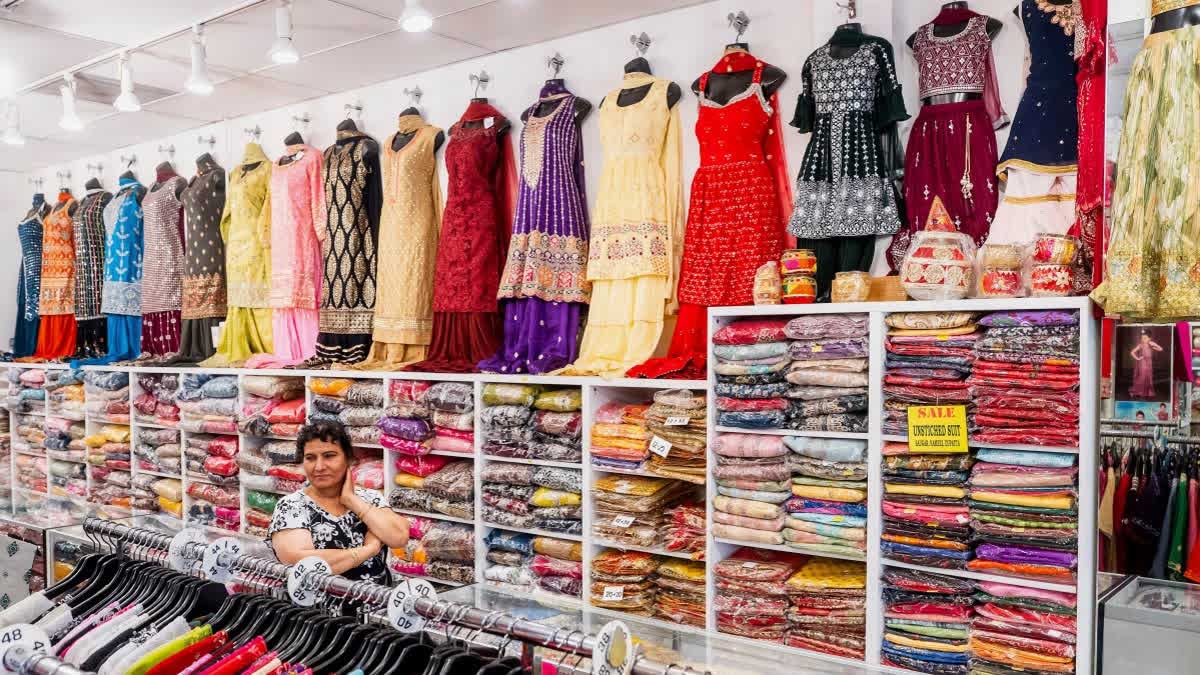
The first of these agri openings is with cotton. The government, apparently under pressure from the US, recently announced that it will remove the 11% import duty for 40 days on foreign cotton right before a new cotton harvest. One shouldn’t be surprised if this “foreign cotton” is chiefly from the US.
The foreign cotton is already pegged to be landing in India between Rs 50,000 to 51,000 per candy (355.6 kg). Meanwhile, Cotton Corporation of India is selling cotton between Rs 56,000 to 57,000 per candy, and the new minimum support price (MSP) was projected at Rs 61,000.
So while the deal is a major loss for Indian farmers, Cotton Corporation of India, and the BJP’s electorate base in the cotton-growing belts, it also has serious revenue losses for the state and all the mentioned parties.
The only silver lining seems to be the clothing manufacturing industry, which can now take advantage of the cheaper cotton available and reduce its cost of production. Overall, with the imposed tariff of 50% on Indian goods, cheaper cotton could potentially soften the blow for manufacturers.
But cotton is the first on the list of agri-commodities which are highly subsidised by the US government. The US is pressuring India to buy its dairy, corn, soybean, rice, sugar, canola and ethanol. Until 2024, the US agri exports into our country stood at $1.6 billion and included almonds (in shell $868 million), pistachios ($121 million), Apples ($21 million), and ethanol (ethyl alcohol – $266 million).
India is complying with the World Trade Organisation (WTO) rules and safeguarding critical sectors like dairy, corn, etc. The Trump regime wants to change that as it sees the WTO safeguards as impediments to free trade and market access.
Meanwhile, the US has strict tariffs on agricultural products like tobacco (350 per cent) and also has a system of complex non-ad valorem (NAV) tariffs to make imports more expensive. Match this with massive farm subsidies, including income support and export subsidies, which help make US goods and surpluses competitive in global markets without affecting the incomes of American farmers.
Escaping the Trump Tariffs
The way forward is a tough one because it does involve some amount of suffering for our nation. The tariffs and agri-dumping will definitely create a rift between the farmers of India and the USA. But potentially, there is a way out of it.
First, if India, under geopolitical pressure, has to bend the knee to US imports, we can at least use this opportunity to support ecology and sustainable farmers in the USA.
The first step will be to update our photo-sanitary laws. We need to have an outright ban on genetically modified products from the USA. So, for example, if the cotton has been grown from genetically engineered varieties, we should reject it. We can welcome organic cotton from the USA. In this way, once our tariff hype boils down, India will be on the right side of things.
Similarly with corn, as Indian corn farmers are already suffering from falling prices each year, India should welcome only organically grown corn, and if possible, not accept yellow corn but allow imports of blue, red and other varieties of local corn. There should be a complete ban on importing GMO corn or sugar made from GMO corn. Additionally, we should encourage purchases not from big corporations but from small farmer co-operatives. The Indian embassy in the US can help facilitate this step. This way, we will secure a win with the rural electorate within the USA.
We ought to also have a strict policy of not allowing for toxic organo-phosphate pesticides and other pesticides, herbicides like glyphosate, to be present in our food imports. Even the current imports like almonds, apples, cranberries, etc, should be double checked for residues and toxic chemicals.
When it comes to oilseeds, India needs vegetable oils in huge quantities, and the US has surpluses of canola and soybean oil. Here, India needs to play up the GM-free import cards. For if we don’t, we are not only gambling our farmers away but also destroying our health. Most of these oils are genetically engineered and not good for national health. The soybean animal feed should be put through the same scrutiny.
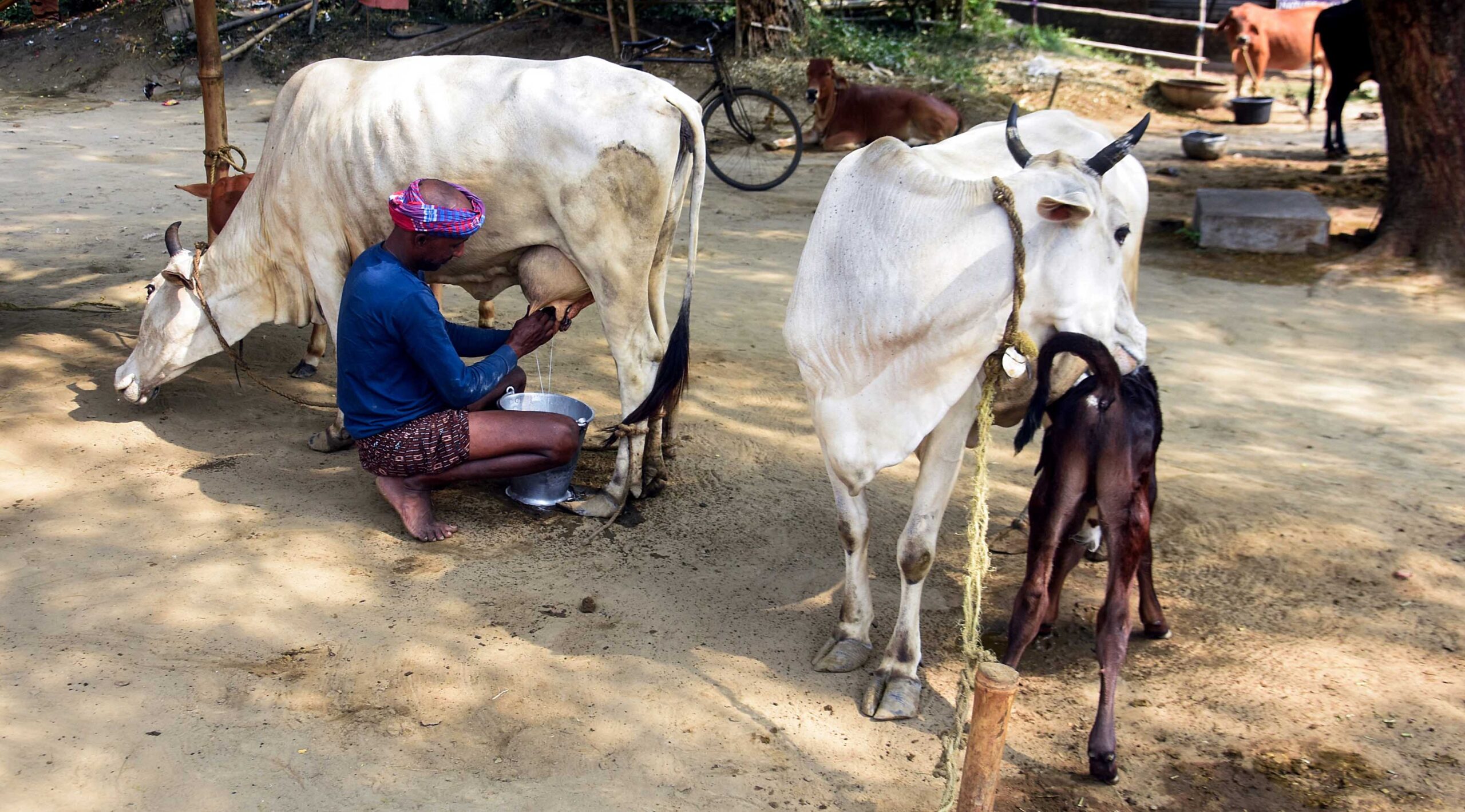
Speaking of animals, it gets us to the most critical sector: dairy. Here, the US will push us to buy skimmed milk powder and milk from US corporate producers. Now the big problem is that US cows are fed on blood meals, making their milk impure for most vegetarians in the country. India is a country where cows are revered, and this could hurt religious sentiments.
The economic implications of importing US milk will also be the death of small and medium-scale dairy farmers and milk co-operatives like Amul. No way can the Indian producer match the volumes of industrial-scale dairy operations of the US, which is also highly subsidised and fed by GMO corn and soybeans.
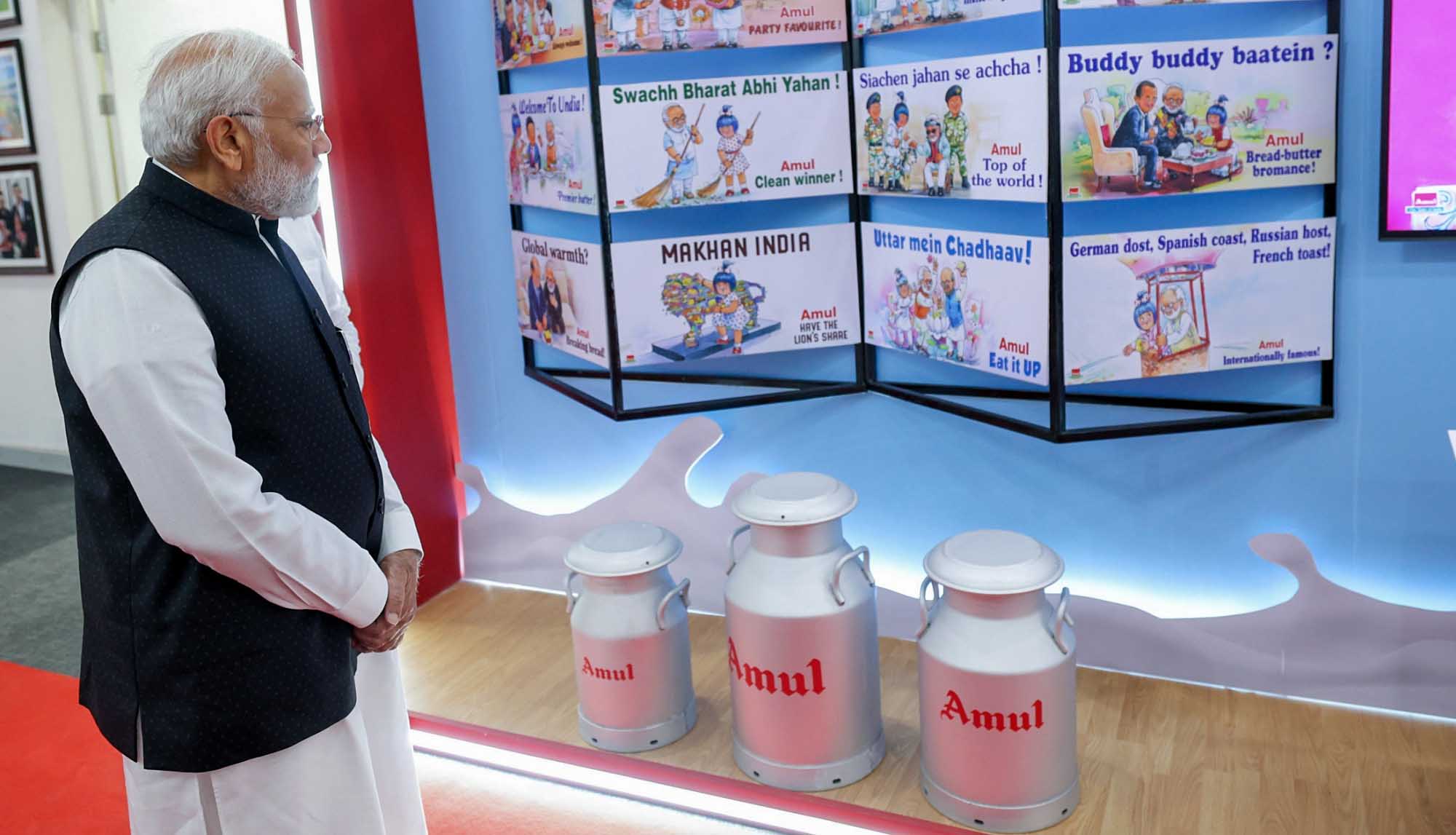
Prime Minister Narendra Modi inspects an exhibition by Amul during the Golden Jubilee Celebrations of the Gujarat Cooperative Milk Marketing Federation, in Ahmedabad on Feb 22, 2024.
Prime Minister Narendra Modi inspects an exhibition by Amul during the Golden Jubilee Celebrations of the Gujarat Cooperative Milk Marketing Federation, in Ahmedabad on Feb 22, 2024. (ANI)
Here India needs to hold her ground to the last, and if, for unforeseen reasons, has to allow dairy or milk powder import, we must stress on organic milk imports from the US. The milk should be fed with non-GMO and vegetarian feed and sourced from milk co-operatives like Organic Valley, etc.
The price of organic milk is higher, and hence it won’t impact the local farmers and safeguard India’s interests and ecology in the US. To conclude, if push comes to shove, India ought to only opt for organic and ecologically produced agri-commodities from the US. If not, it would be disastrous for health, economy and incomes of farmers in both countries.