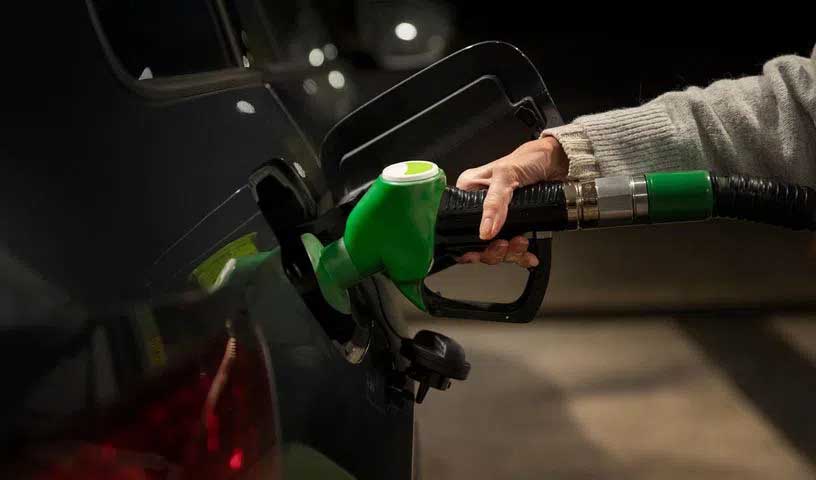
The objectives of the E20 fuel policy — blending 20 per cent ethanol with fuel — are quite laudable, but the roll-out should have been smooth and well-planned, with consumers and the automobile industry being on the same page. As India switches to the E20 policy, the scene is chaotic with no clarity from the government on how it intends to address the concerns of vehicle users. While all new vehicles currently sold in the country are said to be E20-compliant, those manufactured before 2024 are not entirely compatible with the newly introduced E20 petrol. This has sparked widespread fears among owners of older vehicles about the potential impact of new fuel composition on their engines, especially for cars older than five years. There might be a loss of efficiency and performance in older vehicles. No doubt, there are multiple uses of ethanol-blended petrol. An increased use of ethanol will ease India’s dependence on crude oil imports and save more than $4 billion annually. This shift not only improves energy security but also provides a buffer a
Though the Union Ministry of Petroleum and Natural Gas has said that the use of E20 petrol gives better acceleration and ride quality, and significantly reduces carbon emissions, the experience of the vehicle owners tells a different story. The hasty shift to E20 fuel, without sufficient debate and involvement of all stakeholders, is causing unforeseen issues for car owners who complain about unexpected rise in maintenance costs and a lack of clear information about fuel compatibility. Many vehicle owners have taken to social media claiming it causes a drastic drop in mileage and fuel efficiency. There is no clarity from the automobile companies either. Toyota said the use of E20 fuel was not advisable even in E10 vehicles and would even void the warranty of the impacted parts in case of any damage due to fuel non-compatibility. However, Tata Motors has said it is okay to use E20, and Bajaj confirmed its latest vehicles are equipped to run on E20 fuel. There is no clarity on what exactly constitutes older models or compatible models. Ethanol is a biofuel sourced from plant-based materials such as sugarcane or corn. It is then fermented and processed for use in petrol. Under India’s ethanol-blending programme, the government procures ethanol from sugarcane-based raw materials.